an article by Mandy X. Hu, Yuri Milaneschi, Femke Lamers and Brenda W. J. H. Penninx (Vrije Universiteit Amsterdam,The Netherlands), Ilja M. Nolte and Harold Snieder (University of Groningen, The Netherlands) and Conor V. Dolan and Eco J. C. de Geus (VU University, Amsterdam, The Netherlands) published in Depression and Anxiety Volume 36 Issue 12 (December 2019)
Abstract
Background
Depression and anxiety may unfavourably impact on cardiac autonomic dysregulation. However, it is unclear whether this relationship results from a causal effect or may be attributable to confounding factors. We tested the relationship between depression and anxiety with heart rate (HR) and heart rate variability (HRV) across a 9‐year follow‐up (FU) period and investigated possible confounding by antidepressant use and genetic pleiotropy.
Methods
Data (no. of observations = 6,994, 65% female) were obtained from the longitudinal Netherlands Study of Depression and Anxiety, with repeated waves of data collection of HR, HRV, depression, anxiety, and antidepressant use. Summary statistics from meta‐analyses of genome‐wide association studies were used to derive polygenic risk scores of depression, HR, and HRV.
Results
Across the 9‐year FU, generalised estimating equations analyses showed that the relationship between cardiac autonomic dysregulation and depression/anxiety rendered nonsignificant after adjusting for antidepressant use. A robust association was found between antidepressant use (especially tricyclic antidepressants, selective serotonin, and noradrenalin reuptake inhibitors) and unfavourable cardiac autonomic activity across all waves. However, no evidence was found for a genetic correlation of depression with HR and HRV, indicating that confounding by genetic pleiotropy is minimal.
Conclusions
Our results indicate that the association between depression/anxiety and cardiac autonomic dysregulation does not result from a causal pathway or genetic pleiotropy, and these traits might therefore not be inevitably linked. Previously reported associations were likely confounded by the use of certain classes of antidepressants.
Full text (PDF 10pp)
Showing posts with label stress. Show all posts
Showing posts with label stress. Show all posts
Thursday, 19 December 2019


Friday, 1 November 2019
Effects of motivation and workload on firefighters' perceived health, stress, and performance
an article by Émilie Sandrin and Nicolas Gillet (Université de Tours, France), Claude Fernet (Université du Québec à Trois‐Rivières, Québec, Canada) and Monique Leloup and Clément Depin‐Rouault (Service Départemental d'Incendie et de Secours 37, Fondettes, France) published in Stress and Health Volume 35 Issue 4 (October 2019)
Abstract
This study investigated the effects of autonomous and controlled motivations, and workload on perceived stress, health, and performance. Workload was also considered as a moderator of the effects of autonomous motivation on perceived health and performance and of controlled motivation on perceived stress.
We conducted an empirical study using a sample of 654 firefighters.
Consistent with our predictions, results showed positive effects of autonomous motivation and negative effects of workload and controlled motivation on perceived health and performance. They also revealed positive effects of controlled motivation and workload and negative effects of autonomous motivation on perceived stress. Moreover, workload moderated the relations between autonomous motivation and perceived health and performance, so that the positive relations between autonomous motivation and perceived health and performance were lower when workload was high.
Finally, workload moderated the relation between controlled motivation and perceived stress so that the positive relation between controlled motivation and perceived stress was stronger when workload was high. Theoretical contributions and perspectives, as well as implications for practice, are discussed.
Abstract
This study investigated the effects of autonomous and controlled motivations, and workload on perceived stress, health, and performance. Workload was also considered as a moderator of the effects of autonomous motivation on perceived health and performance and of controlled motivation on perceived stress.
We conducted an empirical study using a sample of 654 firefighters.
Consistent with our predictions, results showed positive effects of autonomous motivation and negative effects of workload and controlled motivation on perceived health and performance. They also revealed positive effects of controlled motivation and workload and negative effects of autonomous motivation on perceived stress. Moreover, workload moderated the relations between autonomous motivation and perceived health and performance, so that the positive relations between autonomous motivation and perceived health and performance were lower when workload was high.
Finally, workload moderated the relation between controlled motivation and perceived stress so that the positive relation between controlled motivation and perceived stress was stronger when workload was high. Theoretical contributions and perspectives, as well as implications for practice, are discussed.
Tuesday, 24 September 2019
8 Ways to Navigate Change Without Stress and Anxiety
a post by María Tomás-Keegan for YourTango.com [via World of Psychology]

Change doesn’t have to be terrifying
Life change — and change in general — is certain to happen. According to the Greek philosopher, Heracleitus, “The only thing that is constant is change.”
If this is true, and I believe it is, coping with life changes, transitions, and the stress and anxiety that comes with it should come more easily to everyone, don’t you think?
Yet, many shudder at the thought of change. Some bury their heads and hope it will go away while others open their arms and welcome the opportunities.
Heracleitus’ philosophy is a good starting point for those who shudder and duck and cover when they face a major change in life. It may help to do a little reframing and think about change differently.
One way to approach change is to go with the flow. Enjoy the ride, as wild as it may be.
This, of course, is easier said than done when you’re coping with life changes and transitions.
Here are 8 easy ways you can embrace change in your life and make it work in your favor:
Continue reading
I am not sure that “easy” is the word I would use for these 8 ways to embrace change but “effective” might work – at least for some people.
So, here I am, posting about change when I know how hard I resist it myself.
Practice what you preach Granny!
Change doesn’t have to be terrifying
Life change — and change in general — is certain to happen. According to the Greek philosopher, Heracleitus, “The only thing that is constant is change.”
If this is true, and I believe it is, coping with life changes, transitions, and the stress and anxiety that comes with it should come more easily to everyone, don’t you think?
Yet, many shudder at the thought of change. Some bury their heads and hope it will go away while others open their arms and welcome the opportunities.
Heracleitus’ philosophy is a good starting point for those who shudder and duck and cover when they face a major change in life. It may help to do a little reframing and think about change differently.
One way to approach change is to go with the flow. Enjoy the ride, as wild as it may be.
This, of course, is easier said than done when you’re coping with life changes and transitions.
Here are 8 easy ways you can embrace change in your life and make it work in your favor:
Continue reading
I am not sure that “easy” is the word I would use for these 8 ways to embrace change but “effective” might work – at least for some people.
So, here I am, posting about change when I know how hard I resist it myself.
Practice what you preach Granny!
Wednesday, 4 September 2019
Are Flexible Work Arrangements Associated with Lower Levels of Chronic Stress-Related Biomarkers? A Study of 6025 Employees in the UK Household Longitudinal Study
an article by Tarani Chandola (University of Manchester, UK) and Cara L, Meena Kumari and Michaela Benzeval (University of Essex, UK) published in Sociology Volume 53 Issue 4 (August 2019)
Abstract
Debates around the benefits of flexible work arrangements for employee well-being are limited by a lack of empirical analyses on whether flexible working enables employees with work or family stressors to cope with their levels of stress.
This study examines whether the availability and use of different flexible work arrangements are associated with lower allostatic load (an index of chronic stress-related biomarkers) in a large representative study of UK adults. Male and female employees who made use of reduced hours working arrangements had lower levels of allostatic load.
Among women caring for two or more children aged under 15, there was a difference of almost one unit of the allostatic load index (an additional biomarker risk) between women who used reduced hours flexible work and those without such arrangements.
Reduced hours flexible work arrangements could enable women who combine work and family roles to reduce their levels of chronic stress.
Full text (PDF 22pp)
Hazel’s comment:
I would have loved to be able to work part-time when I had four young children at home but then I would not have earned enough money to be able to look after them properly! This is a dilemma many women still face today.
Abstract
Debates around the benefits of flexible work arrangements for employee well-being are limited by a lack of empirical analyses on whether flexible working enables employees with work or family stressors to cope with their levels of stress.
This study examines whether the availability and use of different flexible work arrangements are associated with lower allostatic load (an index of chronic stress-related biomarkers) in a large representative study of UK adults. Male and female employees who made use of reduced hours working arrangements had lower levels of allostatic load.
Among women caring for two or more children aged under 15, there was a difference of almost one unit of the allostatic load index (an additional biomarker risk) between women who used reduced hours flexible work and those without such arrangements.
Reduced hours flexible work arrangements could enable women who combine work and family roles to reduce their levels of chronic stress.
Full text (PDF 22pp)
Hazel’s comment:
I would have loved to be able to work part-time when I had four young children at home but then I would not have earned enough money to be able to look after them properly! This is a dilemma many women still face today.
Monday, 22 July 2019
5 Mindfulness Techniques to Reduce Stress and Anxiety
a post by Ingrid Helanderfor YourTango.com [via World of Psychology blog]

Do your nerves overwhelm you sometimes?
Do you frequently find yourself burdened with anxiety or stress? Anxiety attacks and symptoms of stress can be overwhelming and terrible. You don’t like how you feel, but you don’t understand it, and you don’t feel like there’s any was you can possibly find out how to deal with anxiety when it strikes you.
Anxiety symptoms can be severe and stress management is hard when your own body doesn’t know how to deal with stress or how to control anxiety when you’re just reacting to signs of stress and don’t see a way out.
But with a little bit of stress management, you can actually learn to control this reaction and begin to trust your body again to deal with anxiety on its own.
Continue reading
Do your nerves overwhelm you sometimes?
Do you frequently find yourself burdened with anxiety or stress? Anxiety attacks and symptoms of stress can be overwhelming and terrible. You don’t like how you feel, but you don’t understand it, and you don’t feel like there’s any was you can possibly find out how to deal with anxiety when it strikes you.
Anxiety symptoms can be severe and stress management is hard when your own body doesn’t know how to deal with stress or how to control anxiety when you’re just reacting to signs of stress and don’t see a way out.
But with a little bit of stress management, you can actually learn to control this reaction and begin to trust your body again to deal with anxiety on its own.
Continue reading
Friday, 19 July 2019
The Stress–Burnout Relationship: Examining the Moderating Effect of Physical Activity and Intrinsic Motivation for Off-Job Physical Activity
an article by Sandrine Isoard-Gautheur, Clément Ginoux and Philippe Sarrazin (Université Grenoble Alpes, Switzerland) and Markus Gerbe (University Issue 7 (July 2019)of Basel, Switzerland) published in Workplace Health & Safety Volume 67 Issue 7 (July 2019)
Abstract
Current research highlights the need to critically examine the factors that can reduce the relationship between work stress and burnout to improve employee health and well-being, as well as to create healthier workplaces.
The objective of this study was to enhance insight into the association between stress and job burnout by testing the moderated moderating effect of off-job physical activity (PA) and intrinsic motivation for off-job PA on this association.
A total of 369 university staff (70% females) completed a web survey comprising measures of perceived stress, job burnout, PA, and intrinsic motivation for PA. A three-way conditional process model revealed that the “Stress × PA” interaction was significant for cognitive weariness, and that the three-way interaction between “Stress × PA × Intrinsic Motivation for PA” was significantly related to job burnout, and to cognitive weariness.
The results highlight
Abstract
Current research highlights the need to critically examine the factors that can reduce the relationship between work stress and burnout to improve employee health and well-being, as well as to create healthier workplaces.
The objective of this study was to enhance insight into the association between stress and job burnout by testing the moderated moderating effect of off-job physical activity (PA) and intrinsic motivation for off-job PA on this association.
A total of 369 university staff (70% females) completed a web survey comprising measures of perceived stress, job burnout, PA, and intrinsic motivation for PA. A three-way conditional process model revealed that the “Stress × PA” interaction was significant for cognitive weariness, and that the three-way interaction between “Stress × PA × Intrinsic Motivation for PA” was significantly related to job burnout, and to cognitive weariness.
The results highlight
- that stress was associated with higher levels of job burnout;
- that under a high stress condition, PA was negatively linked to cognitive weariness; and
- that intrinsic motivation for PA reinforced the positive moderating effect of PA on the stress–burnout relationship, especially when stress is high.
Friday, 12 July 2019
Exploring the association between parenting stress and a child's exposure to adverse childhood experiences (ACEs)
an article by Elizabeth Crouch, Elizabeth Radcliff, Peiyin Hung and Monique Brown (University of South Carolina, Columbia, USA) published in Children and Youth Services Review Volume 102 (July 2019)
Highlights
Abstract
Nearly half of U.S. children age 0–17 have been exposed to adverse childhood experiences (ACEs), accounting for over 34 million of children nationwide. Parenting stress (negative feelings related to the demands of parenting) is a primary risk factor for child maltreatment and neglect; yet has been an overlooked factor for ACEs. Understanding the degree of parenting stress and its subsequent associations with ACEs will facilitate future designations of relevant interventions to keep children safe.
We analyzed 2016 data from the National Survey of Children's Health to examine whether increased levels of parenting stress are associated with higher counts of ACEs among children. About 4.4% of caregivers reported “high parenting stress” and children living with them were three times more likely (OR: 3.05; 95% CI: 2.23–4.15) to experience four or more ACEs by the age of 18.
Lowering parenting stress through parenting interventions could decrease the level of childhood trauma experienced by a child or may lessen one type of stress in a home where many other stressors exist.
Highlights
- Parenting stress, negative feelings related to the demands of parenting, is a primary risk factor for child maltreatment and neglect.
- The quantification of parenting stress and its subsequent association with ACEs is important to determine because of the significant negative impact ACEs may have on a child's long-term physical, emotional, and social well-being.
- Lowering parenting stress could influence the level of childhood trauma a child might experience.
Abstract
Nearly half of U.S. children age 0–17 have been exposed to adverse childhood experiences (ACEs), accounting for over 34 million of children nationwide. Parenting stress (negative feelings related to the demands of parenting) is a primary risk factor for child maltreatment and neglect; yet has been an overlooked factor for ACEs. Understanding the degree of parenting stress and its subsequent associations with ACEs will facilitate future designations of relevant interventions to keep children safe.
We analyzed 2016 data from the National Survey of Children's Health to examine whether increased levels of parenting stress are associated with higher counts of ACEs among children. About 4.4% of caregivers reported “high parenting stress” and children living with them were three times more likely (OR: 3.05; 95% CI: 2.23–4.15) to experience four or more ACEs by the age of 18.
Lowering parenting stress through parenting interventions could decrease the level of childhood trauma experienced by a child or may lessen one type of stress in a home where many other stressors exist.
Monday, 3 June 2019
Stress and Health Outcomes: Do Meaningful Work and Physical Activity Help?
an article by Suzanne H. Lease and Emily L. Brown (The University of Memphis, TN, USA) and Christina L. Ingram (Texas A&M University, College Station, TX, USA) published in Journal of Career Development Volume 46 Issue 3 (June 2019): June 1, 2019
Abstract
The negative effects of stress and burnout on mental and physical health are widely known, as are the beneficial effects of physical activity.
While the organizational literature emphasizes the value of meaningful work for employers and employees alike, the stress-buffering role of meaningful work in combination with physical activity is not known.
The present study examined the
Abstract
The negative effects of stress and burnout on mental and physical health are widely known, as are the beneficial effects of physical activity.
While the organizational literature emphasizes the value of meaningful work for employers and employees alike, the stress-buffering role of meaningful work in combination with physical activity is not known.
The present study examined the
- mediating role of burnout in the relationships between perceived stress and health risk behaviors (i.e., poor diet, tobacco use, and alcohol use) and depressive symptoms and
- moderating roles of meaningful work and physical activity on the relationships between perceived stress and health outcomes.
Thursday, 18 April 2019
Ketamine rebuilds connections between neurons lost during stress
a post by Mark Frauenfelder for the Boing Boing blog
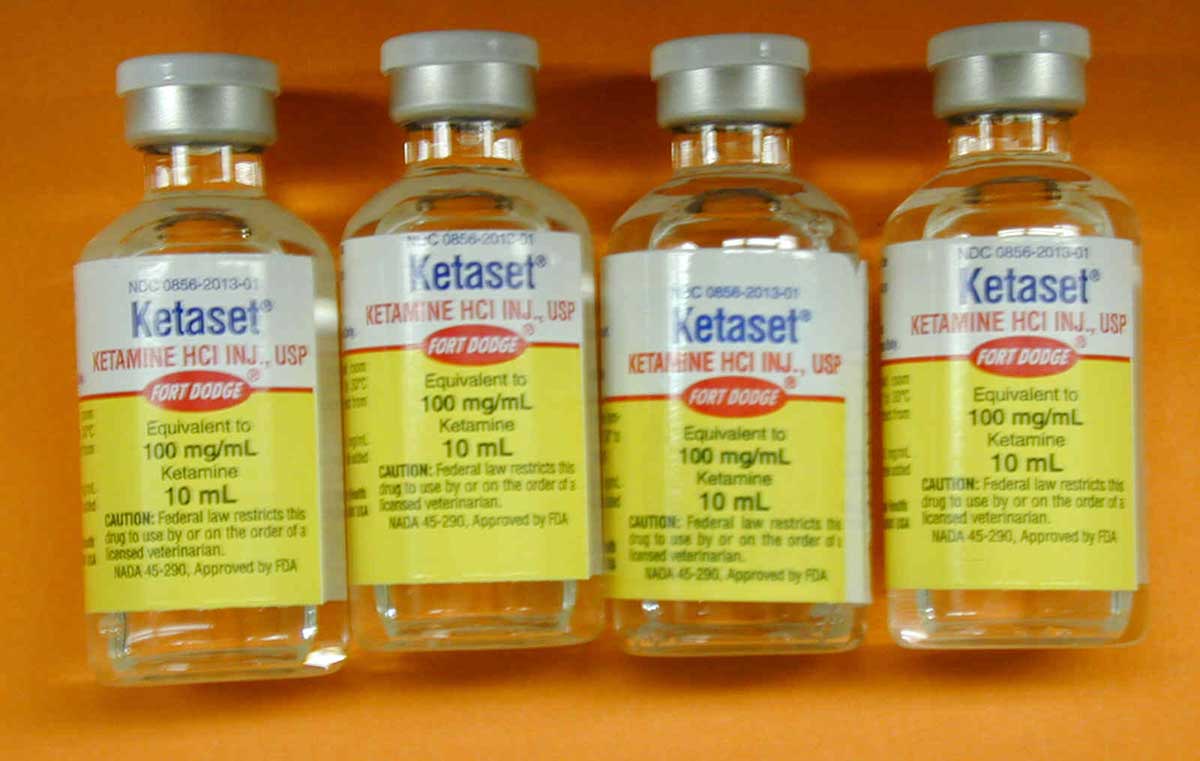
Ketamine has been used as a horse tranquilizer, infant anesthetic, recreational drug, and most recently, a surprisingly effective treatment for depression (which the US Food and Drug Administration approved last month). Now researchers are starting to understand how ketamine works: by rebuilding connections between neurons lost during stress.
Continue reading
Ketamine has been used as a horse tranquilizer, infant anesthetic, recreational drug, and most recently, a surprisingly effective treatment for depression (which the US Food and Drug Administration approved last month). Now researchers are starting to understand how ketamine works: by rebuilding connections between neurons lost during stress.
Continue reading
Tuesday, 2 April 2019
5 Things to Stop Doing When You're Struggling and Feeling Drained
a post by Lori Deschene for the Tiny Buddha blog

“There is nothing in nature that blooms all year long, so don’t expect yourself to do so either.” ~Unknown
Recently I’ve been spread incredibly thin and, at times, I’ve felt stressed to the max.
In addition to being at the tail end of a high-risk pregnancy, with complications, I’ve been working toward various new projects—not just for fulfillment but also because I’ve allowed the business side of running this site to slide for years. And I have a baby coming soon. It’s crucial that I revive what I’ve allowed to deflate because I’ll have a whole new life to provide for.
There’s a lot I need to do over the next six weeks, before my scheduled C-section, and a lot I’ve failed to do over the previous weeks, largely because I’ve had many days when I’ve felt physically and emotionally incapable of rising to the challenge.
To be fair, there’s also been a lot to enjoy and appreciate, and I know I am incredibly fortunate to be pregnant at all, and to have the opportunity to do so much professionally. But life has felt somewhat pressure-filled as of late, and along with many small wins have come many hours and days when I’ve felt drained and defeated.
Continue reading
“There is nothing in nature that blooms all year long, so don’t expect yourself to do so either.” ~Unknown
Recently I’ve been spread incredibly thin and, at times, I’ve felt stressed to the max.
In addition to being at the tail end of a high-risk pregnancy, with complications, I’ve been working toward various new projects—not just for fulfillment but also because I’ve allowed the business side of running this site to slide for years. And I have a baby coming soon. It’s crucial that I revive what I’ve allowed to deflate because I’ll have a whole new life to provide for.
There’s a lot I need to do over the next six weeks, before my scheduled C-section, and a lot I’ve failed to do over the previous weeks, largely because I’ve had many days when I’ve felt physically and emotionally incapable of rising to the challenge.
To be fair, there’s also been a lot to enjoy and appreciate, and I know I am incredibly fortunate to be pregnant at all, and to have the opportunity to do so much professionally. But life has felt somewhat pressure-filled as of late, and along with many small wins have come many hours and days when I’ve felt drained and defeated.
Continue reading
Friday, 22 March 2019
A Panic Attack, the Wrestle Within
a post by Annabella Hagen for the World of Psychology blog
Samantha felt overwhelmed by her school assignments, her relationships, and her job. She often felt like she was walking a tightrope while holding a pole that contained all of her “should” and “must” type of thoughts. “It’s not a matter of if, but when I’ll fall and crash!” she’d repeat.
She would imagine placing her thoughts and feelings in a bottle and shutting the lid tightly. “I place them there so I can cope,” she would declare.
She recognized her panic attack cycle: stress, anxiety, tension build up, and suppress until it shatters. Then starting all over again. She hated her panic attacks, but said she always felt better after experiencing one.
Continue reading
Samantha felt overwhelmed by her school assignments, her relationships, and her job. She often felt like she was walking a tightrope while holding a pole that contained all of her “should” and “must” type of thoughts. “It’s not a matter of if, but when I’ll fall and crash!” she’d repeat.
She would imagine placing her thoughts and feelings in a bottle and shutting the lid tightly. “I place them there so I can cope,” she would declare.
She recognized her panic attack cycle: stress, anxiety, tension build up, and suppress until it shatters. Then starting all over again. She hated her panic attacks, but said she always felt better after experiencing one.
- Do Samantha’s struggles sound familiar?
- Do you wish you could extinguish anxiety from your life?#
- Do you believe you can “control” what happens in your body?
- Is suppressing, stopping, ignoring, or fighting your emotions and sensations giving you temporary relief but not the long-lasting results you want?
Continue reading
Wednesday, 20 March 2019
The impact of AI and information technologies on worker stress
a column by Isamu Yamamoto for VOX: CEPR’s Policy Portal
The adoption of new information technologies such as AI in more workplaces is influencing not just employment and wages, but worker well-being such as job satisfaction, stress, and health.
Surveying approximately 10,000 workers in Japan, this column analyses the impact of new information technologies on the nature of tasks performed by workers, job satisfaction, and work-related stress. It finds that AI adoption contributes to both greater job satisfaction and increased stress, and considers approaches to maximise the positives of new technologies adoption while minimising its negative side effects.
Continue reading
The adoption of new information technologies such as AI in more workplaces is influencing not just employment and wages, but worker well-being such as job satisfaction, stress, and health.
Surveying approximately 10,000 workers in Japan, this column analyses the impact of new information technologies on the nature of tasks performed by workers, job satisfaction, and work-related stress. It finds that AI adoption contributes to both greater job satisfaction and increased stress, and considers approaches to maximise the positives of new technologies adoption while minimising its negative side effects.
Continue reading
Tuesday, 19 March 2019
Empower Your Inner Peacekeeper
a post by Joshua Garrin for the World of Psychology blog

Inner peace is the centerpiece of your soul.
Stress is a constant, a fact of life, a silent killer. These catchphrases grab our attention because, yep, they sound pretty stressful — as though we’d better put on our protective gear, grab our weapons, and prepare for combat… or else. No doubt, our daily exposure to the stress factor can make us feel like we’re in the trenches and quickly losing the war. And when stress eventually retreats, there we stand – bloodied and bruised, dragged down and worn out. And ready to surrender.
But wait. Let’s not wave the white flag just yet.
Why? Well, for starters, evolution dictates that we’re pretty resilient soldiers. Throughout the ages, we’ve somehow managed to adapt to (and rise above) challenge — even through unmitigated episodes of personal and professional stress. In fact, we can manage stress through some simple, empowering choices that cost nothing… yet, we might agree are priceless. As we take inventory of our arsenal of stress-reducing weapons, let’s consider some practical ways to regulate our stress response and remove ourselves from the line of fire.
Continue reading
Inner peace is the centerpiece of your soul.
Stress is a constant, a fact of life, a silent killer. These catchphrases grab our attention because, yep, they sound pretty stressful — as though we’d better put on our protective gear, grab our weapons, and prepare for combat… or else. No doubt, our daily exposure to the stress factor can make us feel like we’re in the trenches and quickly losing the war. And when stress eventually retreats, there we stand – bloodied and bruised, dragged down and worn out. And ready to surrender.
But wait. Let’s not wave the white flag just yet.
Why? Well, for starters, evolution dictates that we’re pretty resilient soldiers. Throughout the ages, we’ve somehow managed to adapt to (and rise above) challenge — even through unmitigated episodes of personal and professional stress. In fact, we can manage stress through some simple, empowering choices that cost nothing… yet, we might agree are priceless. As we take inventory of our arsenal of stress-reducing weapons, let’s consider some practical ways to regulate our stress response and remove ourselves from the line of fire.
Continue reading
Wednesday, 6 March 2019
How to Begin Journaling for Stress Relief
a post by Emily Waters for the World of Psychology blog

The therapeutic benefits of journaling have been scientifically proven. Journaling can be an effective tool for stress management, the processing of difficult emotions, and creating personal growth. It has also been linked to important health benefits like decreasing the symptoms of asthma, arthritis, and other health conditions, increasing cognitive functioning, increasing the immune system, and counteracting the negative effects of stress.
If you were curious about it, but aren’t quite sure where/how to start, read on for a few tips to help you get started.
Continue reading
The therapeutic benefits of journaling have been scientifically proven. Journaling can be an effective tool for stress management, the processing of difficult emotions, and creating personal growth. It has also been linked to important health benefits like decreasing the symptoms of asthma, arthritis, and other health conditions, increasing cognitive functioning, increasing the immune system, and counteracting the negative effects of stress.
If you were curious about it, but aren’t quite sure where/how to start, read on for a few tips to help you get started.
Continue reading
Wednesday, 6 February 2019
5 Brain-Hacking Positivity Apps to Manage Depression and Change Your Mood
a post for MakeUseOf by Mihir Patkar
When you’re feeling stressed, depressed, and unable to get out of a funk, these free apps can help manage your mood and trick your brain into feeling more positive for the time being.
From bots that will talk to you through a funk to long-term projects that help express and manage your mental state through photography, these apps have several approaches to change how you feel. It’s all about mood management and mind hacks, a combination that can help you better understand depression and anxiety, and deal with disorders.
Continue reading
When you’re feeling stressed, depressed, and unable to get out of a funk, these free apps can help manage your mood and trick your brain into feeling more positive for the time being.
From bots that will talk to you through a funk to long-term projects that help express and manage your mental state through photography, these apps have several approaches to change how you feel. It’s all about mood management and mind hacks, a combination that can help you better understand depression and anxiety, and deal with disorders.
Continue reading
Monday, 7 January 2019
How Stress Affects Your Memory
a post by Fabiana Franco for the World of Psychology blog

The relationship between stress and memory is complex. A little bit of stress can enhance your ability to encode, store, and retrieve factual information. Too much stress, however, can shut the system down. You may have had this experience studying for a test. A moderate amount of anxiety is motivating and will help you perform better. Too much on the other hand, especially while taking the actual test, can prevent you from recalling what you know.
The experience of trauma and chronic stress over time can actually change the brain structures involved in memory. To understand how this happens, we need to consider one of the ways memories are formed and recalled.
Continue reading
The relationship between stress and memory is complex. A little bit of stress can enhance your ability to encode, store, and retrieve factual information. Too much stress, however, can shut the system down. You may have had this experience studying for a test. A moderate amount of anxiety is motivating and will help you perform better. Too much on the other hand, especially while taking the actual test, can prevent you from recalling what you know.
The experience of trauma and chronic stress over time can actually change the brain structures involved in memory. To understand how this happens, we need to consider one of the ways memories are formed and recalled.
Continue reading
Tuesday, 18 December 2018
Your Enthusiasm is Contagious, So Share Your Passion Loud and Proud
a post by Ben Fizell for the Tiny Buddha blog

Have you ever noticed how powerful enthusiasm is? It can be contagious.
If a friend or someone around us is enthusiastic there’s a certain energy or presence that shines from them that can be infectious. It doesn’t even matter what they’re enthusiastic about; if we’re in their presence, it’s easy to be lifted up by their energy.
I’ve always loved seeing people express their enthusiasm. It brings such an authentic quality of who they are through the things that excite them. The thing they’re excited about may seem insignificant to others, but their enthusiasm shines with something very special—a quality of their presence that’s beyond words, beyond the stress, dramas, or stories that sometimes take hold in life.
Continue reading
“Enthusiasm is the electricity of life.” ~Gordon Parks
Have you ever noticed how powerful enthusiasm is? It can be contagious.
If a friend or someone around us is enthusiastic there’s a certain energy or presence that shines from them that can be infectious. It doesn’t even matter what they’re enthusiastic about; if we’re in their presence, it’s easy to be lifted up by their energy.
I’ve always loved seeing people express their enthusiasm. It brings such an authentic quality of who they are through the things that excite them. The thing they’re excited about may seem insignificant to others, but their enthusiasm shines with something very special—a quality of their presence that’s beyond words, beyond the stress, dramas, or stories that sometimes take hold in life.
Continue reading
Thursday, 6 December 2018
Socially disabled: the fight disabled people face against loneliness and stress
an article by Jason Olsen (Ulster University, Belfast, Northern Ireland, UK) published in Disability & Society Volume 33 Issue 7 (2018)
Abstract
In 2018, the United Kingdom appointed its first Minister for Loneliness.
This article discusses some of the barriers which may contribute to why disabled people were found to be one of the largest groups affected by loneliness. Utilizing ethnographic examples supported by facts, the article demonstrates how even when seeking to fight loneliness, and to reduce the stressors of everyday life, disabled people are often at a disadvantage, or excluded.
The article raises questions concerning self-social exclusion and discusses recommended avenues for further research.
Full text (PDF 6pp)
Abstract
In 2018, the United Kingdom appointed its first Minister for Loneliness.
This article discusses some of the barriers which may contribute to why disabled people were found to be one of the largest groups affected by loneliness. Utilizing ethnographic examples supported by facts, the article demonstrates how even when seeking to fight loneliness, and to reduce the stressors of everyday life, disabled people are often at a disadvantage, or excluded.
The article raises questions concerning self-social exclusion and discusses recommended avenues for further research.
Full text (PDF 6pp)
Thursday, 18 October 2018
How Practicing Patience Can Relieve Stress and Anxiety
a post by Kerry Campbell for the Tiny Buddha blog

“Patience is not the ability to wait, but the ability to keep a good attitude while waiting.” ~Joyce Meyer
I used to say, “Patience is a virtue I don’t have.” So, of course, that is how I lived my life. Hurried, exasperated, impatient, and stressed out.
Not only was I a creating a world where I was running around like a chicken with my head cut off—because everything had to be done now, and anything that got in the way of that had to be removed immediately—but I was creating this world for those around me.
My children often bore the brunt of my impatience. If they didn’t get dressed fast enough, or show up at the dinner table as soon as I called them, or get into the car when it was time to go, they met my wrath. And, I had a wicked tongue.
I was constantly haranguing them to stop “being lazy,” “quit dawdling,” etc. Somehow, their lack of speed equated into being lazy or “less than.” Where did I pick up such a mentality?
Continue reading
“Patience is not the ability to wait, but the ability to keep a good attitude while waiting.” ~Joyce Meyer
I used to say, “Patience is a virtue I don’t have.” So, of course, that is how I lived my life. Hurried, exasperated, impatient, and stressed out.
Not only was I a creating a world where I was running around like a chicken with my head cut off—because everything had to be done now, and anything that got in the way of that had to be removed immediately—but I was creating this world for those around me.
My children often bore the brunt of my impatience. If they didn’t get dressed fast enough, or show up at the dinner table as soon as I called them, or get into the car when it was time to go, they met my wrath. And, I had a wicked tongue.
I was constantly haranguing them to stop “being lazy,” “quit dawdling,” etc. Somehow, their lack of speed equated into being lazy or “less than.” Where did I pick up such a mentality?
Continue reading
Wednesday, 17 October 2018
The Role of Organizational Justice and Stress in Predicting Job Burnout
an article by Miriam Dishon-Berkovits (Ono Academic College, Kiryat Ono, Israel) published in Journal of Career Development Volume 45 Issue 5 (October 2018)
Abstract
This study explores how job-burnout dimensions—emotional exhaustion, cynicism, and personal accomplishment—relate to distributive justice and stress.
Questionnaire data were collected in a cross-sectional design from 90 information technology professionals. Structural equation modeling analysis indicated that low levels of perceived justice are associated with higher exhaustion.
Next, a parallel mechanism unfolds: High levels of exhaustion are directly related to low levels of personal accomplishment. At the same time, high levels of exhaustion are associated with high levels of cynicism, which are associated with higher levels of self-accomplishment.
These findings are consistent with theories, suggesting that employees may utilize cynicism as a defense mechanism in an attempt to protect the self. Cynicism also mediated the relationship between stress and personal accomplishment. Cynicism may help employees cope with exhaustion and stress and thus may protect their sense of self-worth.
Theoretical and applied implications for organizations, career development, and counseling are discussed.
Abstract
This study explores how job-burnout dimensions—emotional exhaustion, cynicism, and personal accomplishment—relate to distributive justice and stress.
Questionnaire data were collected in a cross-sectional design from 90 information technology professionals. Structural equation modeling analysis indicated that low levels of perceived justice are associated with higher exhaustion.
Next, a parallel mechanism unfolds: High levels of exhaustion are directly related to low levels of personal accomplishment. At the same time, high levels of exhaustion are associated with high levels of cynicism, which are associated with higher levels of self-accomplishment.
These findings are consistent with theories, suggesting that employees may utilize cynicism as a defense mechanism in an attempt to protect the self. Cynicism also mediated the relationship between stress and personal accomplishment. Cynicism may help employees cope with exhaustion and stress and thus may protect their sense of self-worth.
Theoretical and applied implications for organizations, career development, and counseling are discussed.
Subscribe to:
Posts (Atom)

