Showing posts with label chronic_conditions. Show all posts

Thursday, 8 February 2018

Trials confirm the use of psilocybin for depression without the "dulling" effects of traditional antidepressants

a post by Cory Doctorow for the Boing Boing blog


The prohibition on psychedelics was memorably described as “the worst case of scientific censorship since the Catholic Church banned the works of Copernicus and Galileo” by former UK Drugs Czar David Nutt, and despite the ban, there has been a consistent, determined, very promising (sometimes surprising) drumbeat of scientific papers about the use of psilocybin (“magic mushrooms”) and other psychedelics in treating a range of chronic illnesses, including mental illnesses.

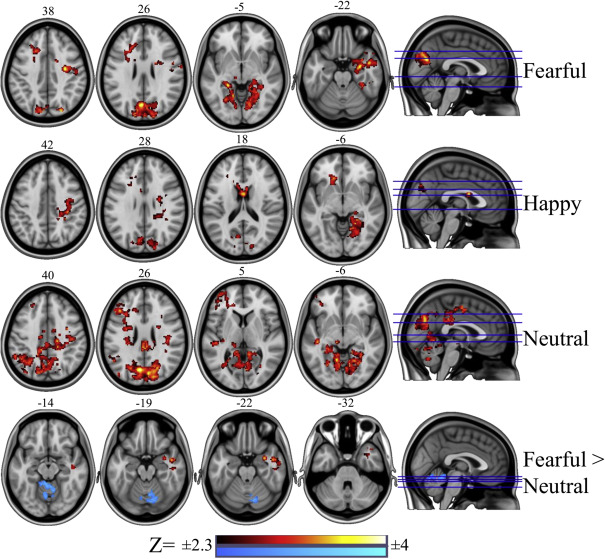
Now, a pair of new papers from an Imperial College London team (including David Nutt) detail the promising outcomes of a small-scale (20 subject) study in treating moderate to severe depression with psilocybin, in which the subjects report significant improvement without the “emotional dulling” associated with mainline antidepressants (this dulling effect is a major contributor to the cessation of medication), and in which fMRI imaging offers some clues to how psilocybin is mitigating depression.

Continue reading

Please note that this is not about trying to treat yourself with illegal substances but a report about serious study of the effects of using certain psychedelic drugs under controlled conditions.
And it was only a small sample.


Wednesday, 16 November 2016

‘The language is disgusting and they refer to my disability’: the cyberharassment of disabled people

an article by Zhraa A. Alhaboby, Haider M. al-Khateeb, James Barnes and Emma Short (University of Bedfordhshire, Luton, UK) published in Disability & Society Volume 31 Issue 8 (2016)

Abstract

Disabled people face hostility and harassment in their socio-cultural environment. The use of electronic communications creates an online context that further reshapes this discrimination.

We explored the experiences of 19 disabled victims of cyberharassment.

Five themes emerged from the study: disability and health consequences, family involvement, misrepresentation of self, perceived complexity, and lack of awareness and expertise.

Cyberharassment incidents against disabled people were influenced by the pre-existing impairment, perceived hate-targeting, and perpetrators faking disability to get closer to victims online. Our findings highlight a growing issue requiring action and proper support.